

 Our Mission & Values
 Governance & Partnerships
 Global Reach
 Our impact
 Agricultural Solutions
 Our Environmental Responsibility
 All Our Magazines
 Articles Library
 Our Subscriptions


There is no off-the-shelf model for farm plastics
Author: Tony Wilson, Chief Executive, Agrecovery
New Zealand is moving toward a regulated EPR scheme for agri-plastics and packaging. Agrecovery are giving us an insight on the operations as well as challenges ahead.
One of the useful things about developing a national recycling scheme is that you get to look closely at what other countries are doing. One of the less useful things is discovering that you cannot simply copy any of them. We have spent years looking at agricultural plastics systems overseas, and there is plenty New Zealand can learn from them. But the closer we have come to regulation, the clearer it has become that Extended Producer Responsibility (EPR) is a principle, not an operating manual.
The scheme scope
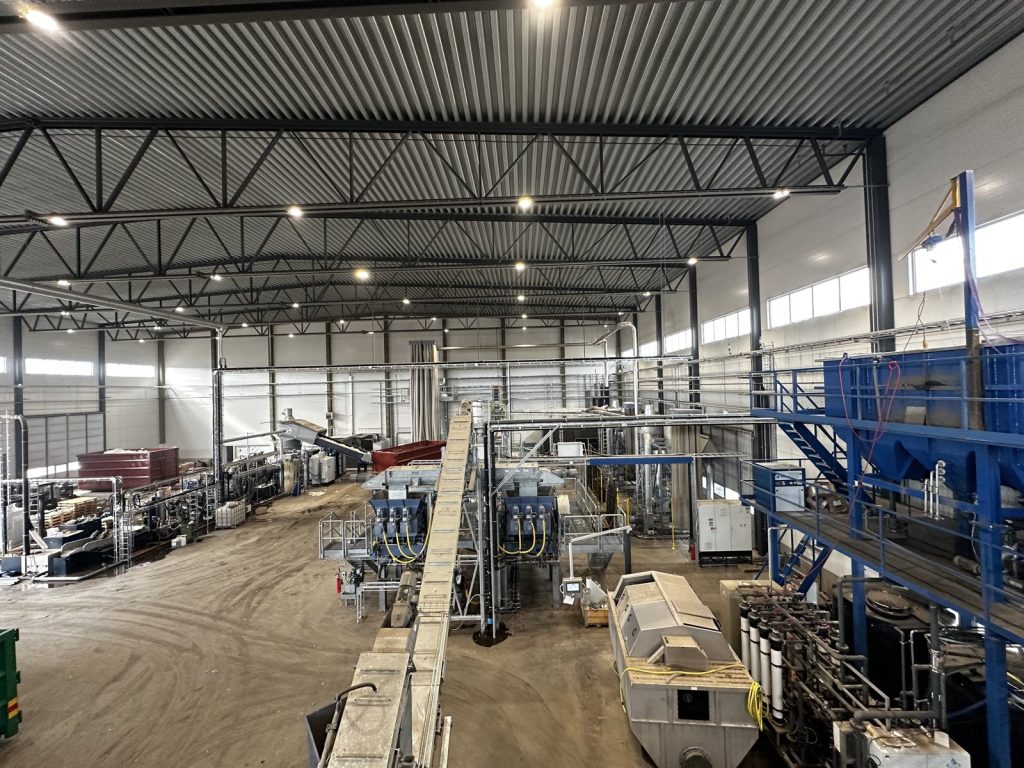
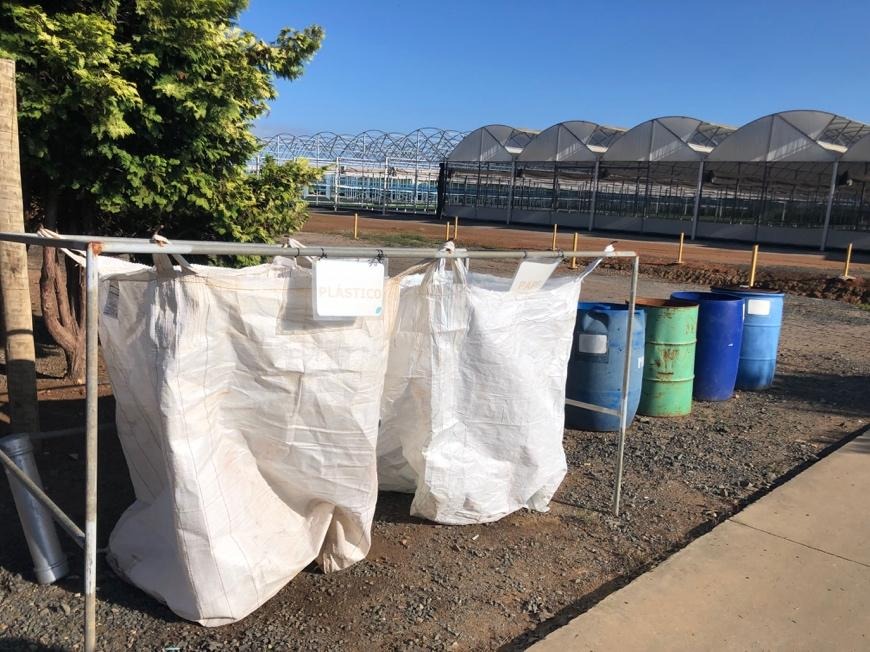
From 1 March 2027, New Zealand’s Rural Recycling Scheme will bring key rural plastic and agrichemical streams into one regulated national system managed by Agrecovery. Producers of in-scope products will register and pay fees that fund the core take-back service. Farmers and growers can choose to return eligible material without a direct charge at the point of return.
There are many variations of passages of Lorem Ipsum available, but the majority have suffered alteration in some form, by injected humour, or randomised words which don't look even slightly believable. If you are going to use a passage of Lorem Ipsum, you need to be sure there isn't anything embarrassing hidden in the middle of text. All the Lorem Ipsum generators on the Internet tend to repeat predefined chunks as necessary, making this the first true generator on the Internet. It uses a dictionary of over 200 Latin words, combined with a handful of model sentence structures, to generate Lorem Ipsum which looks reasonable. The generated Lorem Ipsum is therefore always free from repetition, injected humour, or non-characteristic words etc.
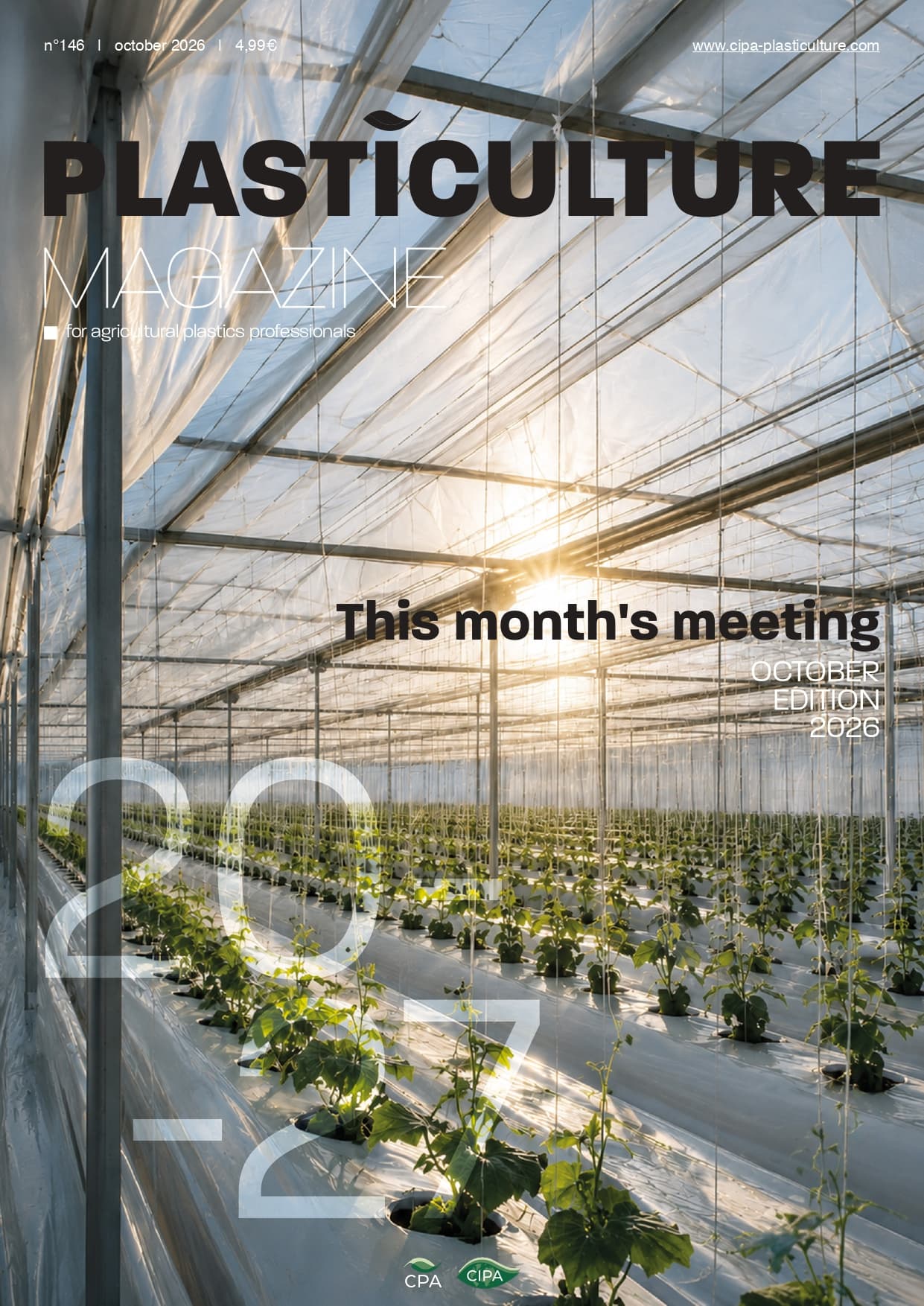
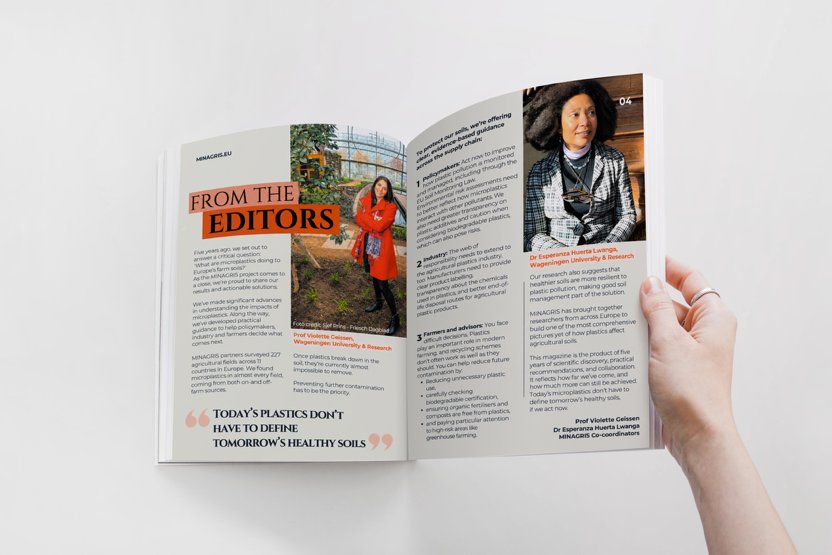
From this magazine