

 Our Mission & Values
 Governance & Partnerships
 Global Reach
 Our impact
 Agricultural Solutions
 Our Environmental Responsibility
 All Our Magazines
 Articles Library
 Our Subscriptions


Call to Action: adding agri-plastics on the Green List

Author: Mike Jefferson, Managing Director, EPRO
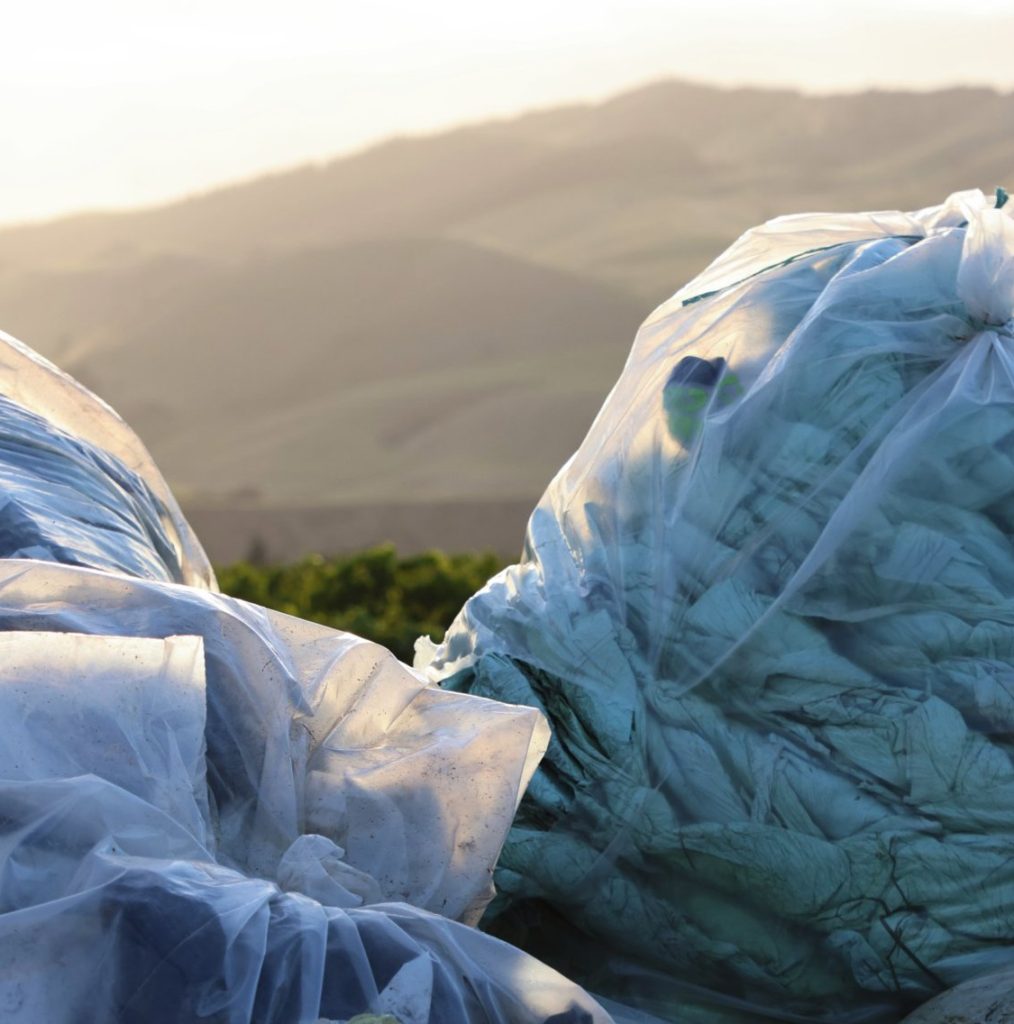
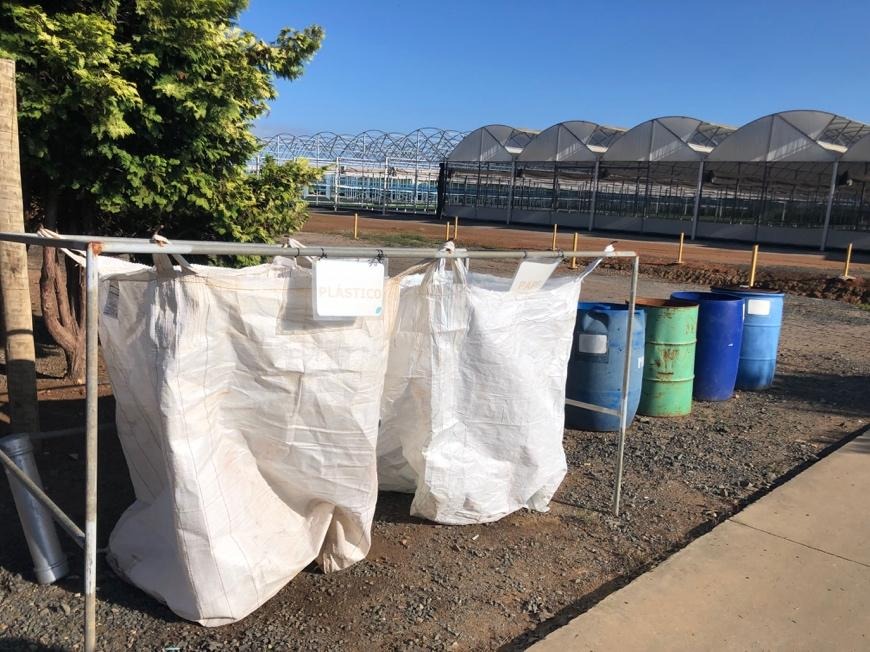
While the EU has launched consultations, collection and recycling schemes for used agricultural plastics are calling for the ‘green list’ to be expanded to facilitate the transfer of this waste for recycling.
Waste shipment legal framework
The Waste Shipment Regulation (WSR)¹ regulates the shipment of waste, both within the EU and between the EU and third countries. The aim is to ensure that such shipments do not cause environmental harm, but also to facilitate shipments of waste for high-quality recycling.
The WSR provides two basic procedures for shipments of waste. On the one hand, the “notification procedure” is required for shipments of hazardous and other waste requiring special attention, such as unsorted or certain mixed plastic wastes. Under this procedure, economic operators need to submit a set of information to the authorities of countries of dispatch, transit and destination. Each of these authorities need to provide a consent prior to the planned shipment of waste.
There are many variations of passages of Lorem Ipsum available, but the majority have suffered alteration in some form, by injected humour, or randomised words which don't look even slightly believable. If you are going to use a passage of Lorem Ipsum, you need to be sure there isn't anything embarrassing hidden in the middle of text. All the Lorem Ipsum generators on the Internet tend to repeat predefined chunks as necessary, making this the first true generator on the Internet. It uses a dictionary of over 200 Latin words, combined with a handful of model sentence structures, to generate Lorem Ipsum which looks reasonable. The generated Lorem Ipsum is therefore always free from repetition, injected humour, or non-characteristic words etc.
From this magazine