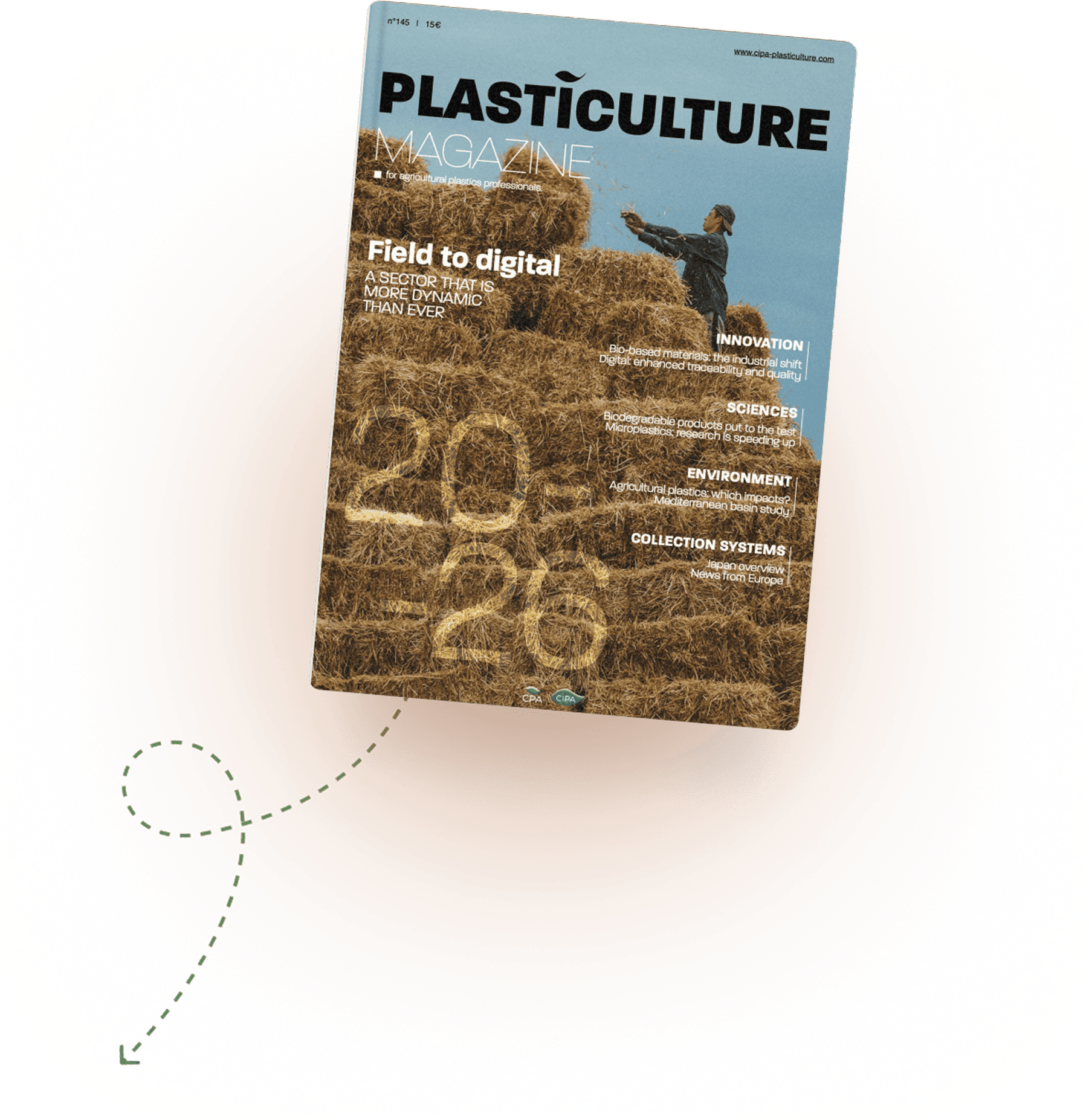
Plasticulture Magazine – N° 145 – September 2025
This new issue marks the launch of the magazine’s monthly format, designed to better respond to rapid changes in the sector. Contents include technological innovations such as AI and new-generation agricultural films, environmental issues related to recycling and microplastics, and the latest regulatory developments in Europe and around the world.
Plasticulture Magazine – N° 145 – October 2025
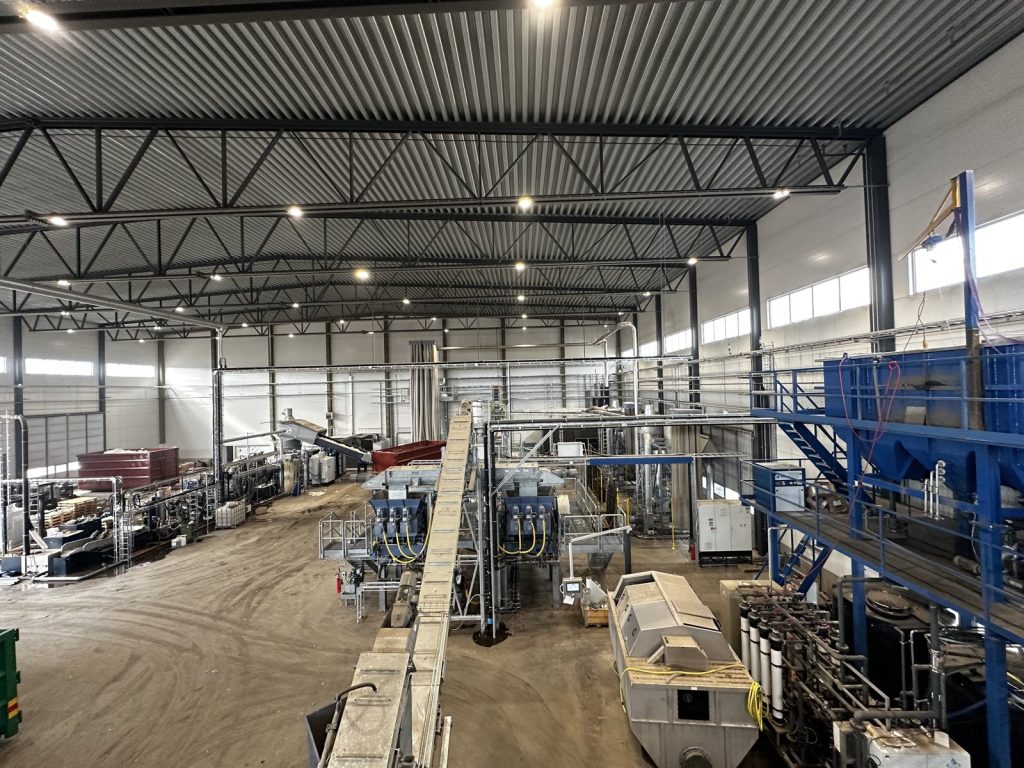
This October edition explores the new frontiers of agricultural plastic recycling and circularity, with in-depth analyses on collection systems, policy incentives, and mapping innovations. Key highlights include the REPLACE project transforming complex agri-plastics into durable products, new data-mapping tools from Italy and France for plastic waste management, and insights into China’s biodegradable plastics market. Practical case studies—from Burgundy’s waste pre-treatment model to France’s upcoming recycled material premiums—illustrate how innovation, policy, and local action converge for a sustainable plasticulture.
Plasticulture Magazine – N° 145 – November 2025
This November issue focuses on circular models, soil health, and climate resilience in agriculture. Key features include APE Europe’s new strategic phase under renewed leadership, a multi-country study on the impact of biodegradable mulch films on soil biology, and the RAINS project’s innovative approach to water scarcity using biodegradable “Solid Water” gels. The edition also highlights the upcoming voluntary EPR scheme for agricultural plastics in the Netherlands, modeled after successful European initiatives.
Plasticulture Magazine – N° 145 – December 2025
This December issue provides a global overview of innovation and governance in agricultural plastics. It features insights from Japan’s national strategy on agri-plastic waste, a 360° evaluation of biodegradable mulches under the SOPAM project, and the Barbier Group’s closed-loop recycling model. Other highlights include APE Europe’s roadmap to raise the sector’s voice in EU regulation, a humanitarian initiative repurposing hail nets for Ukraine, and the announcement of the 2026 CIPA Congress in Nanjing. A strong focus is placed on circularity, cross-border collaboration, and end-of-life plastic solutions.
Plasticulture Magazine – N° 145 – January 2026
This January issue explores how agricultural plastics are moving toward operational circularity through data, science, and collective action. It highlights the CircPlastX European project and its shared data space designed to improve traceability, regulatory compliance, and recycled material flows. A major scientific focus is placed on the SOPAM life cycle assessment, comparing biodegradable and polyethylene mulch films and revealing nuanced trade-offs between climate impact, land use, water consumption, and recycling rates. The issue also provides a comprehensive overview of plasticulture in Latin America, showcasing decades of innovation and emerging circular initiatives across the region. Finally, it examines France’s multi-sector efforts to structure end-of-life management for tree guards and shelters, emphasizing collaboration, extended producer responsibility, and scalable collection systems. Overall, the magazine underlines the need to balance productivity, environmental performance, and economic viability in the future of agricultural plastics.
Plasticulture Magazine – N° 145 – February 2026
This February edition explores microclimate management, material performance, and plastic footprint reduction in agriculture. Key features include CTIFL’s Ceris’innov project on the climatic effects of whole-plot insect nets in orchards, CAAS researchers’ in-depth analysis of microplastic risks across polyethylene, photo-oxidative, and biodegradable mulch films, and field feedback from the multi-partner SOPAM project on biodegradable mulch adoption. The issue also highlights Silotite’s Film&Film silage solution as an alternative to netwrap, and presents a case study from the AgriRePlas initiative assessing the plastic footprint of organic horticulture in Germany.
Plasticulture Magazine – N° 145 – March 2026
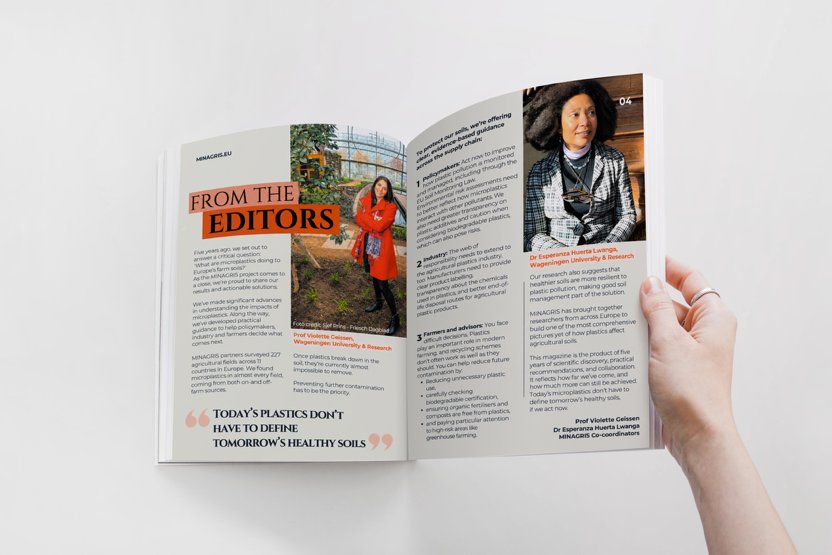
This March edition covers circularity and environmental responsibility in agricultural plastics. Highlights include CORDEX AGRI’s approach to designing recyclable harvest consumables, Environnement Massif Central’s industrial recycling model in France, and NaturePlast’s bio-based alternatives for hard-to-recycle agricultural items. MINAGRIS researchers examine microplastic risks in soils, from ecotoxicological impacts to antimicrobial resistance and the emerging “plastisphere” concept. The issue closes with DECARBONIKA™’s overview of how carbon credit mechanisms under EU Regulation 2024/3012 can turn circular plastic practices into certified climate contributions.
Plasticulture Magazine – N° 145 – April 2026
This April edition focuses on collection systems, circularity in practice, and regulatory challenges in agricultural plastics management. Key highlights include Sandra Pascoe Ortiz’s presentation of the nopal bioplastic project in Mexico, which transforms cactus-derived biomaterials into biodegradable films and composite materials as alternatives to petrochemical polymers. The issue features an in-depth report on the European NCRS Meeting held in Irsee (Germany, 19-20 March 2026), where stakeholders aligned on the critical role of National Collection and Recycling Schemes as the only proven model for circularity at scale, while warning that free-riders and weak recycling capacity remain the sector’s main threats. A practical case study from the German ERDE system illustrates how contractor-based collection networks, proximity to farmers, and clear communication translate into measurable outcomes – 37,342 tonnes collected and over 37,000 tonnes of CO₂ equivalents saved in 2025. The issue closes with a regulatory update from France’s CPA, detailing legislative efforts to bring imported products outside the eco-contribution system into compliance, with a proposed amendment currently under parliamentary review.
Plasticulture Magazine – N° 145 – May 2026
This May edition explores the growing role of agricultural plastics in productivity, circularity, and environmental governance. Key highlights include a comprehensive study on Mediterranean greenhouses, showing how plastic-based protected cultivation significantly improves yields, water efficiency, and crop resilience compared to open-field agriculture. The issue also examines Chile’s AgroCircular initiative, an emerging circular economy model for agricultural plastic collection and recycling supported by EPR regulation and voluntary industry collaboration. In the United States, researchers analyse the legal and scientific challenges surrounding soil-biodegradable mulch films, emphasizing the need for field-based evidence and clearer regulatory frameworks. Finally, Bernard Le Moine provides a critical perspective on microplastics in agricultural soils, arguing that management practices, collection systems, and real-world agricultural conditions must be better integrated into the scientific debate before broadly attributing responsibility to agricultural plastics. The edition underlines the importance of balancing productivity, environmental stewardship, and evidence-based policymaking in the future of plasticulture.




 Our Mission & Values
 Governance & Partnerships
 Global Reach
 Our impact
 Agricultural Solutions
 Our Environmental Responsibility
 All Our Magazines
 Articles Library
 Our Subscriptions









 the environmental impact of agricultural plastics
 while promoting sustainable, innovative practices.
  the environmental impact of agricultural plastics
 while promoting sustainable, innovative practices.
