

 Our Mission & Values
 Governance & Partnerships
 Global Reach
 Our impact
 Agricultural Solutions
 Our Environmental Responsibility
 All Our Magazines
 Articles Library
 Our Subscriptions


Managing agri-plastics in Japan: policies, progress and outlook

AUTHOR : Hajime Sugimura, Deputy Director, International Strategy Division, Export and International Bureau, Ministry of Agriculture, Forestry and Fisheries of Japan (MAFF)
Since the 1990s, Japan has implemented a system for managing used agricultural plastics through local multi-stakeholder councils supported by the authorities. The results have been very positive. The Ministry of Agriculture explains.
Overview of Japanese agriculture and agri-plastics waste
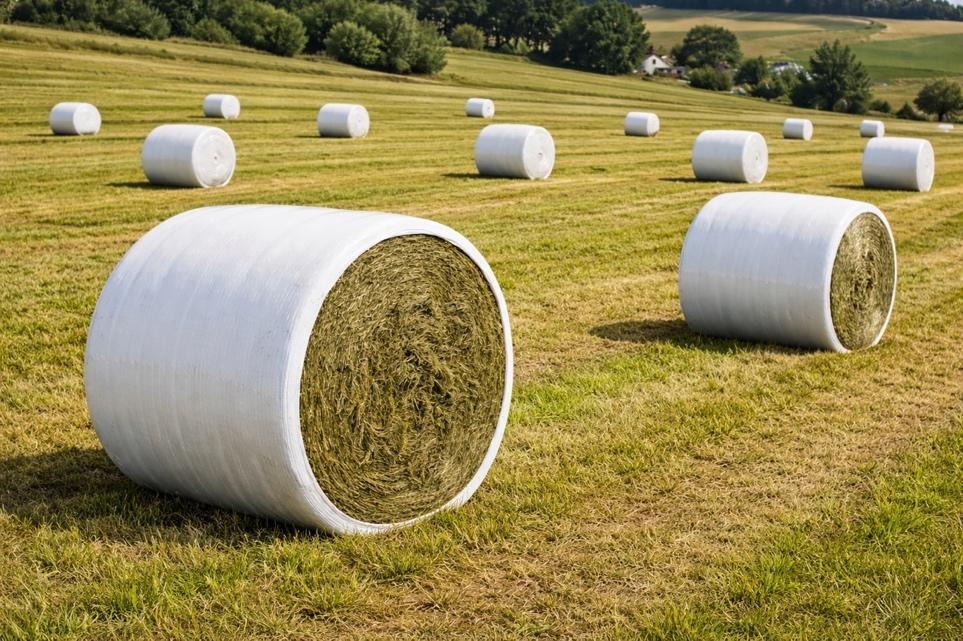
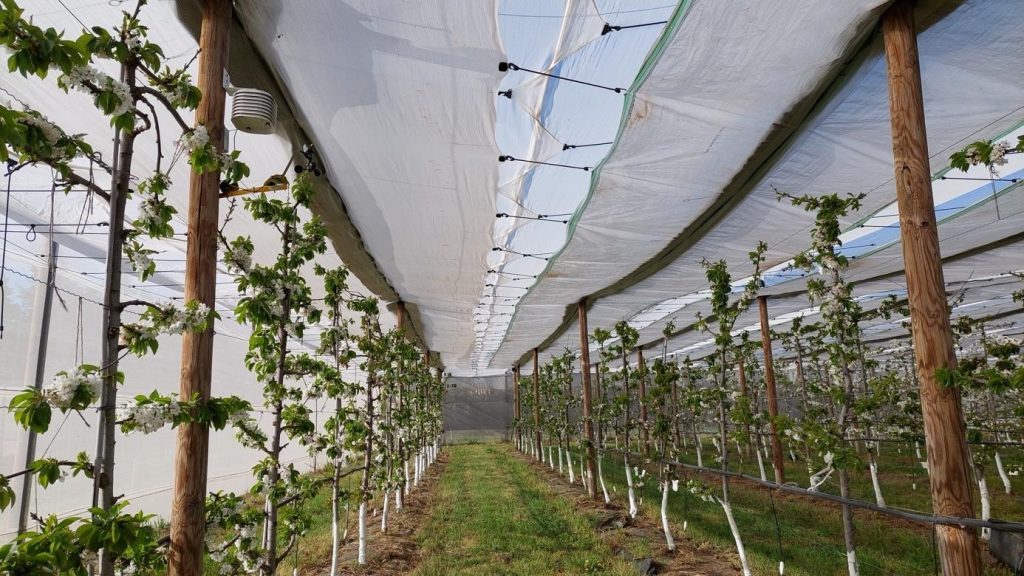
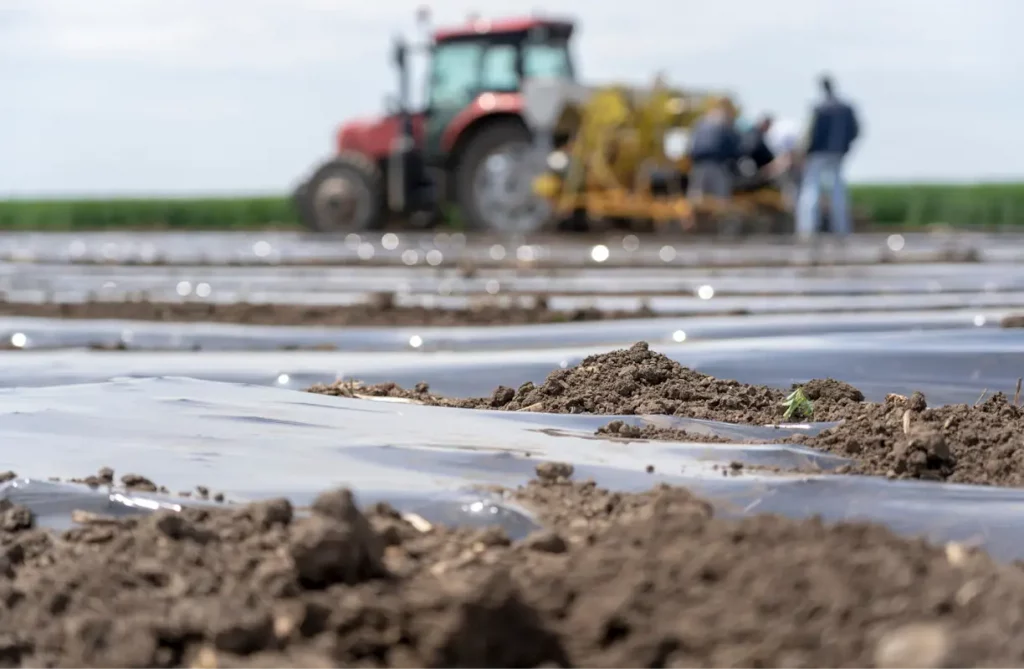
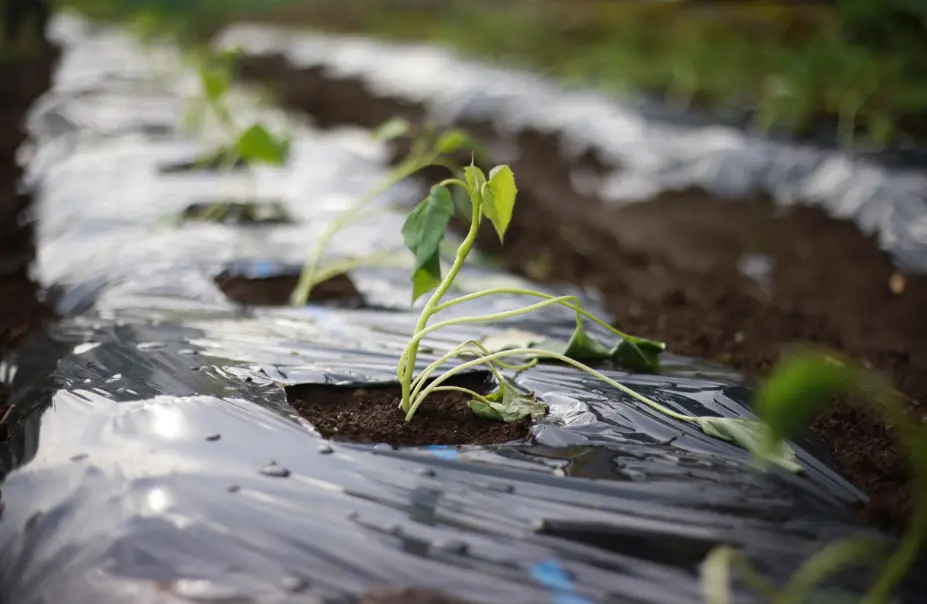
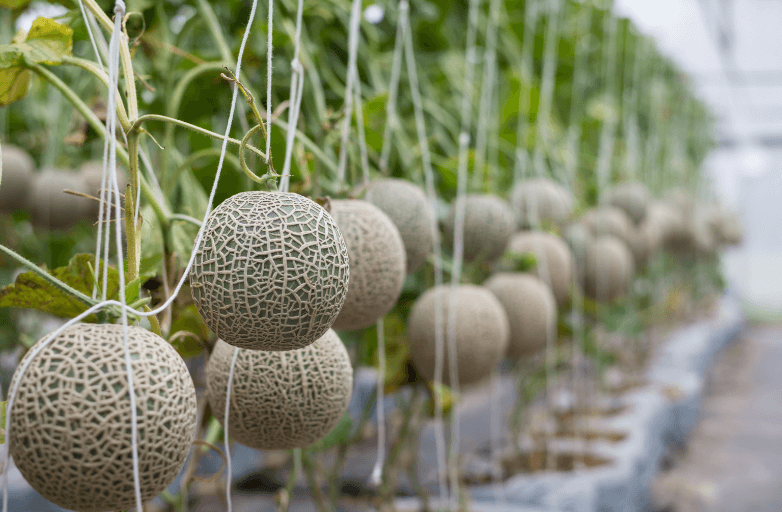
Japan has 4.27 million ha of farmland, of which 54% are paddy fields and 46% are other types of farmlands, supporting approximately 880,000 farms. The main agricultural products are rice, vegetables, fruits, and livestock products. Across Japan, a wide variety of plastic materials are used in agriculture, adapted to local climates and production systems, such as greenhouse films, low tunnels, mulch films, seedling trays, and silage wrap. These materials play an essential role in achieving high productivity and ensuring the stable supply of agricultural products to meet the demands of over 100 million people, within the limited farmlands.
There are many variations of passages of Lorem Ipsum available, but the majority have suffered alteration in some form, by injected humour, or randomised words which don't look even slightly believable. If you are going to use a passage of Lorem Ipsum, you need to be sure there isn't anything embarrassing hidden in the middle of text. All the Lorem Ipsum generators on the Internet tend to repeat predefined chunks as necessary, making this the first true generator on the Internet. It uses a dictionary of over 200 Latin words, combined with a handful of model sentence structures, to generate Lorem Ipsum which looks reasonable. The generated Lorem Ipsum is therefore always free from repetition, injected humour, or non-characteristic words etc.
From this magazine