

 Our Mission & Values
 Governance & Partnerships
 Global Reach
 Our impact
 Agricultural Solutions
 Our Environmental Responsibility
 All Our Magazines
 Articles Library
 Our Subscriptions


Innovative practices…to address the impacts of climate change on agriculture
AUTHOR : JAIME ANDRÉS OLEA, Technical researcher in the Development of Sustainable Materials in Agriculture & Aquaculture, AIMPLAS
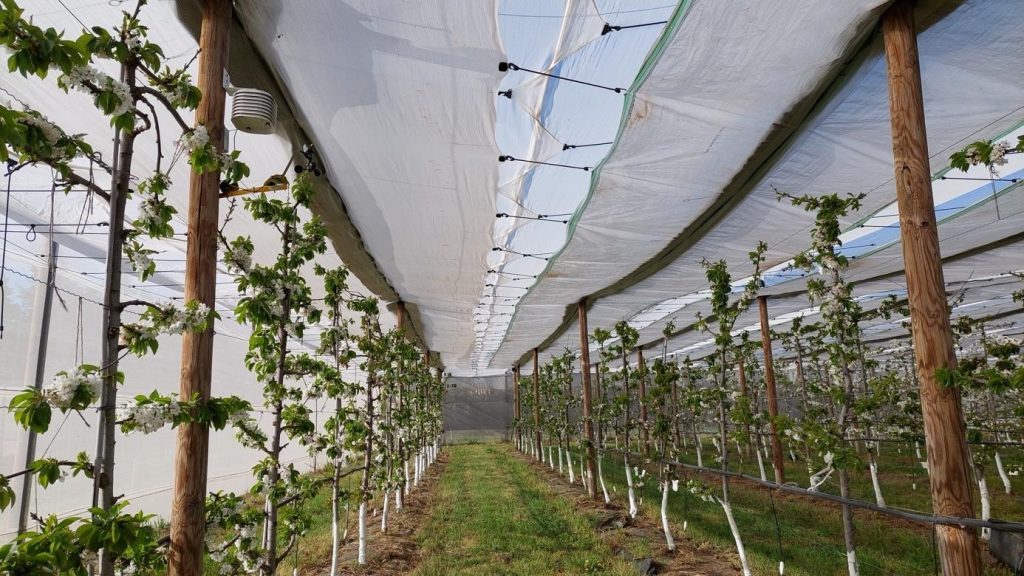
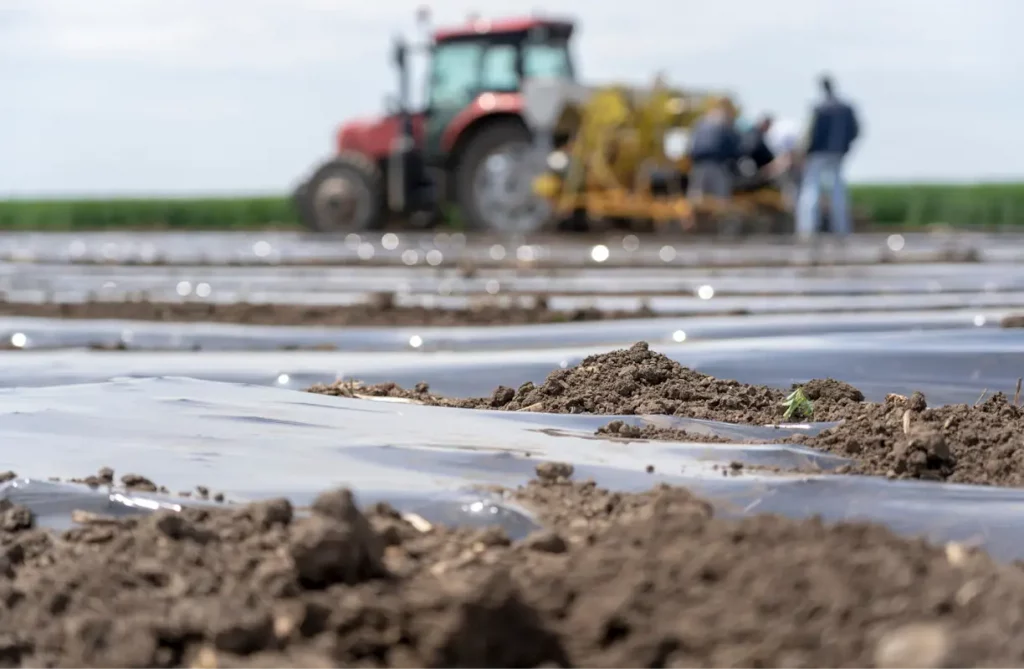
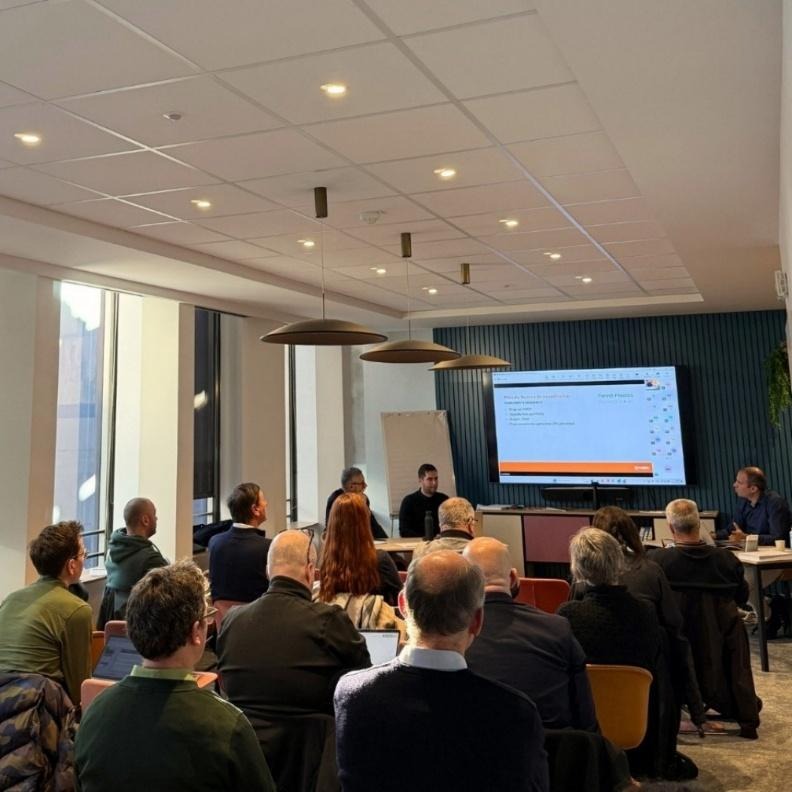
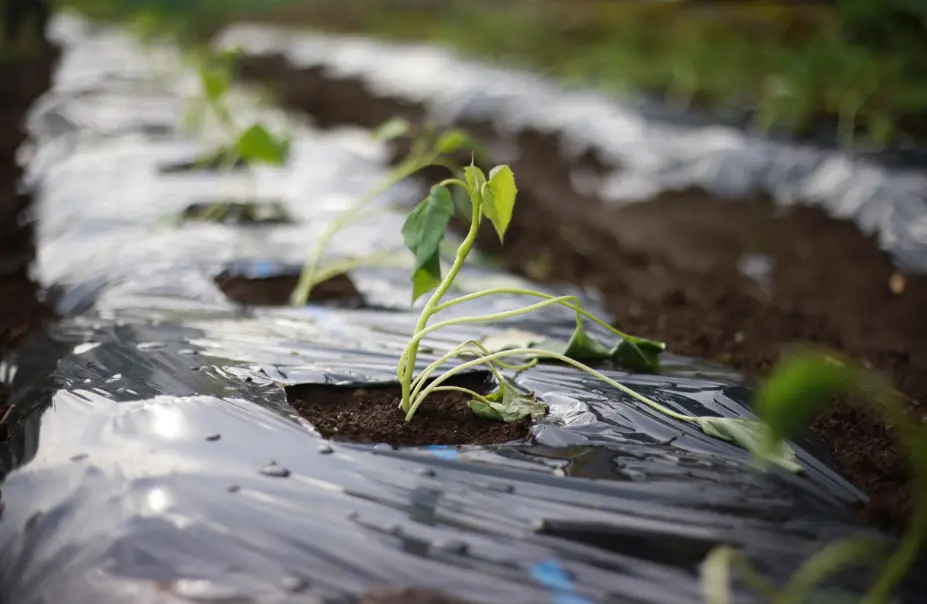
Europe is facing the twin challenges of water scarcity and water abundance. AIMPLAS addresses these issues with the RAINS project, advancing new approaches to optimise water management and support sustainable agriculture. Plasticulture Magazine presents the first results.
Climate change has become a permanent challenge, and its effects are increasingly evident in the agricultural sector. Prolonged droughts, extreme floods and loss of soil fertility threaten food security and crop sustainability. These impacts have been recognised in the European Green Deal as a strategic priority, highlighting the urgent need to accelerate the transition towards more resilient agricultural practices. However, the adoption of new solutions remains a major challenge, as many farmers are still reluctant to modify their systems, mainly due to the high investment costs, the lack of financial incentives, and limited confidence in the productivity of sustainable irrigation and fertilisation alternatives.
There are many variations of passages of Lorem Ipsum available, but the majority have suffered alteration in some form, by injected humour, or randomised words which don't look even slightly believable. If you are going to use a passage of Lorem Ipsum, you need to be sure there isn't anything embarrassing hidden in the middle of text. All the Lorem Ipsum generators on the Internet tend to repeat predefined chunks as necessary, making this the first true generator on the Internet. It uses a dictionary of over 200 Latin words, combined with a handful of model sentence structures, to generate Lorem Ipsum which looks reasonable. The generated Lorem Ipsum is therefore always free from repetition, injected humour, or non-characteristic words etc.
From this magazine